Wondering whether a historic home or a newer home is the better fit in Bethlehem? You are not alone. In a city where the median housing age is 1955 and the housing stock spans everything from older rowhomes to adaptive-reuse projects and newer infill, the choice is less about old versus new and more about how you want to live, maintain, and budget for your home. This guide will help you compare the tradeoffs so you can make a confident decision in Bethlehem’s active market. Let’s dive in.
Bethlehem Homes by Era
Bethlehem is an older, built-out city, which shapes the home search in a big way. According to the city’s housing study, the median housing age is 1955, which is older than both Pennsylvania overall and the broader metro area. That means many buyers are choosing between different generations of existing homes, not between a century home and a brand-new subdivision.
You will find a mix of housing types across the city. Bethlehem’s housing stock includes historic homes, older rowhouses, pre-2000 suburban-style single-family homes, and newer redevelopment or revitalization projects, especially around the historic center and former Bethlehem Steel areas. The city also reports that about 65% of units are single-family attached or detached homes.
What Makes Historic Homes Appealing
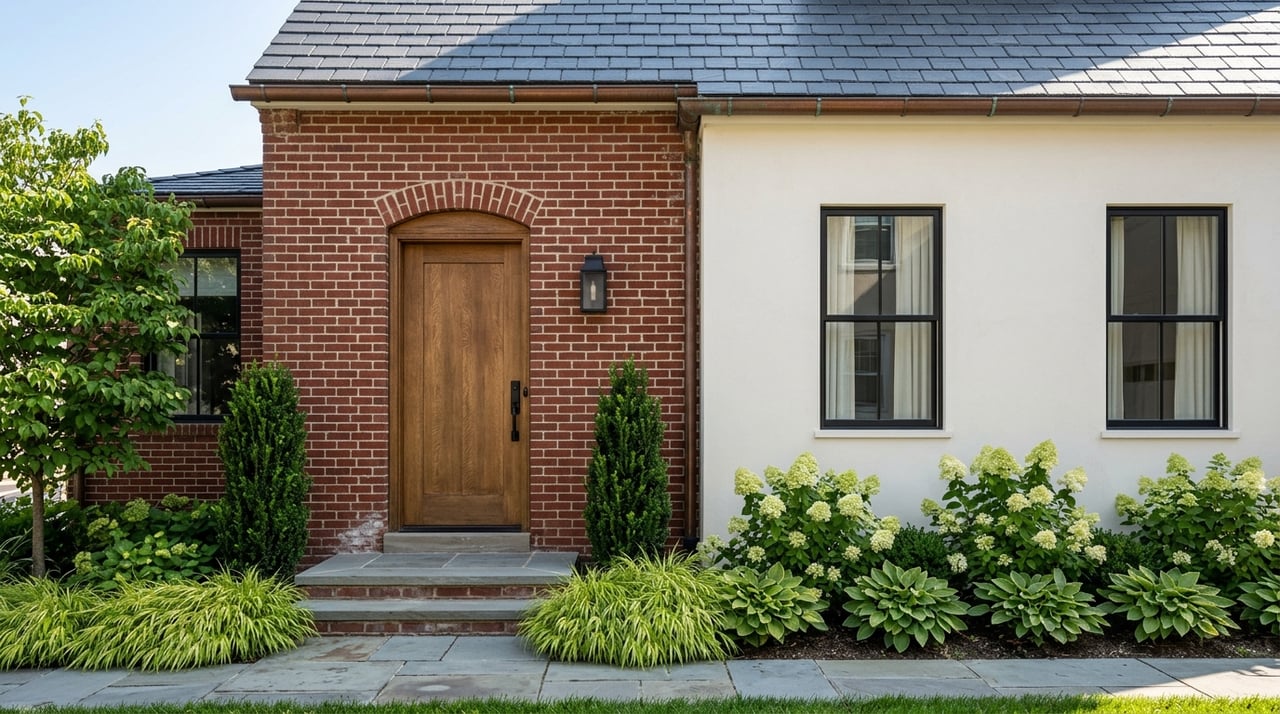
Historic homes in Bethlehem often stand out for their character and materials. Depending on the area, you may see late-19th- and early-20th-century brick streetscapes, Mansard roofs, modest worker housing, and homes with Queen Anne influence. These details can give a property a sense of place that is hard to replicate.
Older homes can also offer durable original materials. Bethlehem’s sustainability guidance notes that many historic buildings use locally quarried stone and masonry walls that help regulate indoor temperatures. The same guidance points out that many historic materials are repairable rather than disposable, which can be a real advantage if you value long-term stewardship.
Historic homes are also not automatically inefficient. Bethlehem’s guidance, along with preservation and energy sources in the research, supports a more balanced view. Weatherization, insulation, sealing, and storm windows can often improve comfort and efficiency without stripping away a home’s original features.
Historic homes may be right for you if:
- You value architectural character and original details
- You want an established setting with strong visual identity
- You are comfortable with ongoing maintenance and repair
- You are willing to plan carefully for updates and improvements
What to Know About Historic District Review
In Bethlehem, some homes come with an extra layer of review. The city has three special districts where a Certificate of Appropriateness is required before a building permit is issued: the Bethlehem Historic District, the South Bethlehem Historic Conservation District, and the Mount Airy Neighborhood District. If a home is in one of these areas, visible exterior changes may be reviewed before work begins.
That does not mean renovations are impossible. The city says the historic review boards are recommending bodies, and routine maintenance is treated differently from larger visible exterior changes. For example, the city’s residential guidance says replacement windows do not require a permit if they fit the same opening without added framing or blocking.
This is why location-specific due diligence matters so much. Before you fall in love with a home, it helps to know whether it sits inside one of these districts and how that may affect your future plans.
Energy Performance in Older Homes
A lot of buyers assume older means drafty and expensive. In Bethlehem, that is not always true. The city’s sustainability guidelines recommend starting with an energy audit, then focusing on low-impact steps like weatherization and insulation before moving to more permanent changes.
Windows are a good example. Preservation guidance in the research shows that historic windows can often be repaired or upgraded rather than replaced, and low-e storm windows may reduce heating and cooling costs by 10% to 30%, depending on the existing setup. If you are considering an older home, ask not just whether windows are old, but whether they have been maintained, sealed, or improved.
Lead Paint Is a Key Older-Home Question
If you are shopping for an older Bethlehem home, lead should be on your checklist. Bethlehem says lead-based paint hazards exist in the majority of the city’s housing stock. That makes sense in a city with so many older homes.
For buyers, the biggest cutoff year is 1978. The research shows that older homes are more likely to contain lead-based paint, and even homes built from 1960 to 1978 can still have some. If a home is pre-1978, ask what disclosures are available, what renovations have been completed, and whether any paid work that disturbed painted surfaces was handled under lead-safe rules.
What Newer Homes Offer
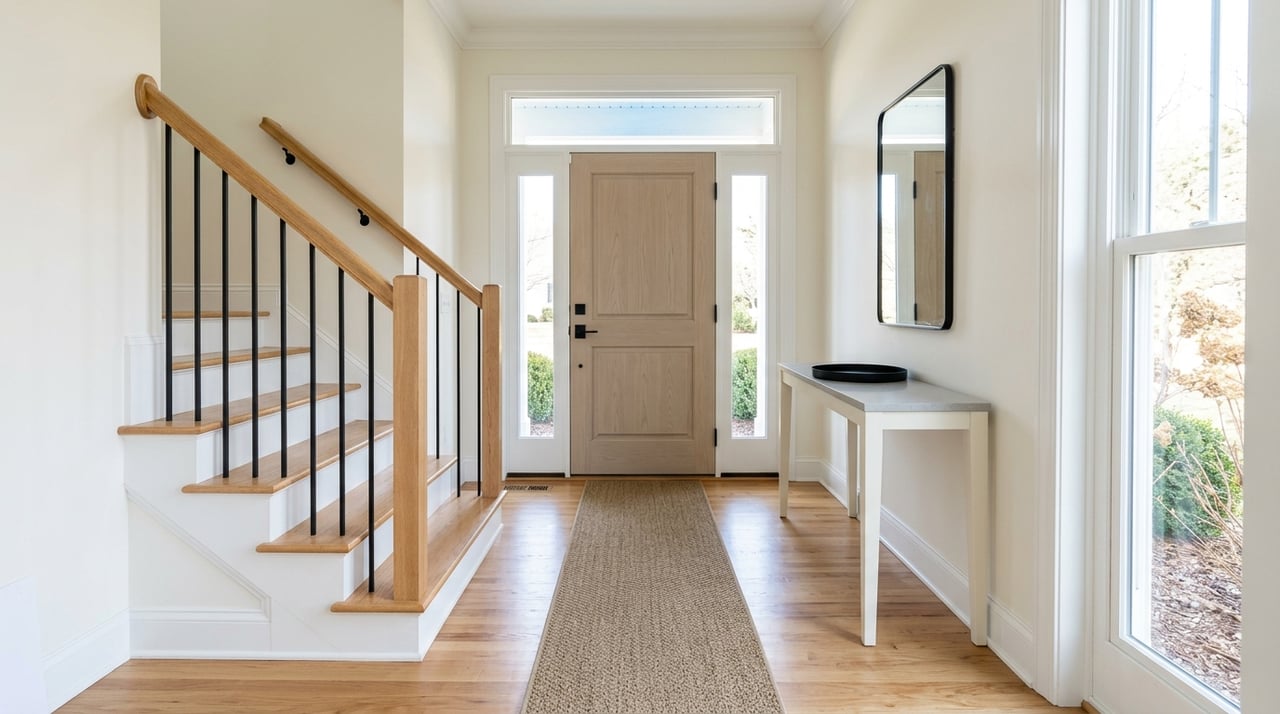
If historic homes are about charm and context, newer homes are often about predictability. Newer properties tend to offer more consistent baseline energy performance, fewer unknowns behind the walls, and a simpler maintenance picture in the first years of ownership. For many buyers, that peace of mind matters just as much as style.
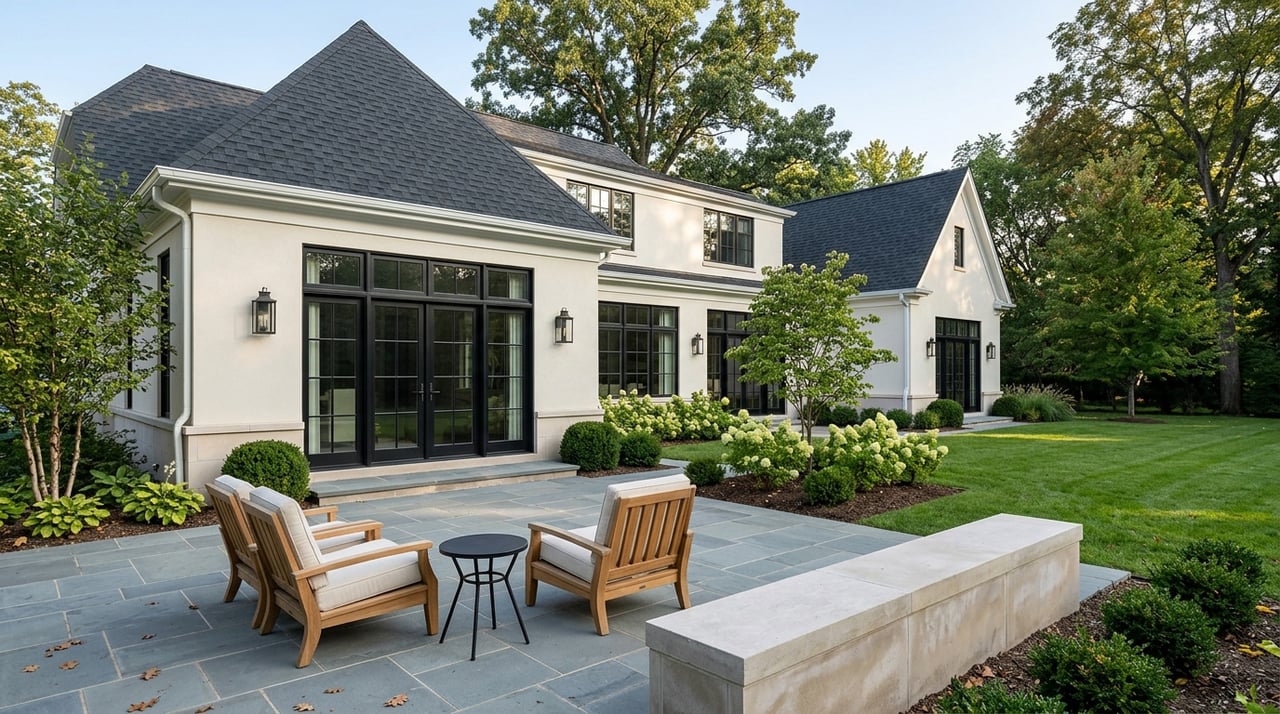
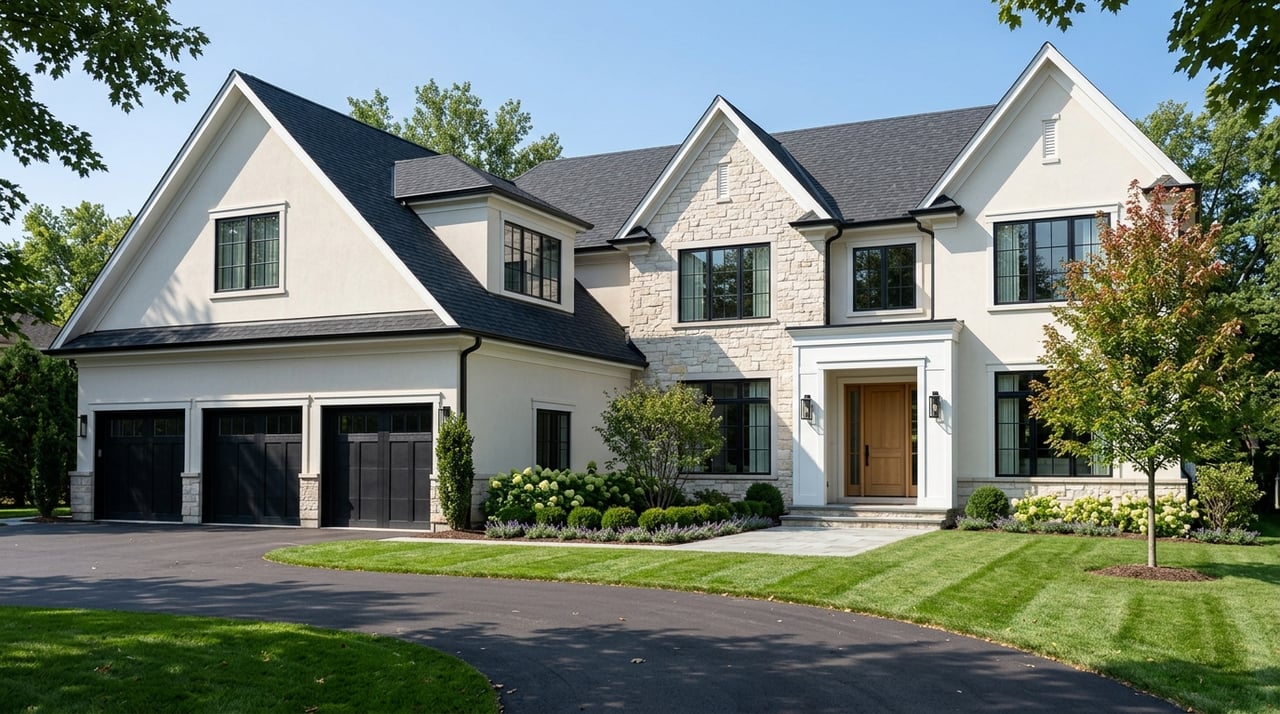
In Bethlehem, newer housing often looks different than it would in a fast-growing suburban fringe. Because land is limited and development costs are high, the city’s housing strategy focuses on neighborhood-compatible infill, accessory dwelling units, and redevelopment within established areas. That means your “newer” option may be an infill home, a redevelopment project, or a more recent home from a pre-2000 neighborhood rather than a brand-new tract house in the urban core.
Newer homes may be right for you if:
- You want more predictable maintenance costs
- You prefer a more contemporary layout or feel
- You want fewer exterior-review constraints
- You care about energy performance from the start
Bethlehem’s Newer-Home Reality
One of the most important things to understand is that Bethlehem’s newer-housing story is tied closely to reuse and redevelopment. The city’s planning documents point to adaptive-reuse projects in downtowns and redevelopment around the former Bethlehem Steel site. So when you search for a newer home here, you may find options shaped by the city’s history rather than large-scale outward expansion.
That can be a plus if you want a newer-feeling home in an established area. You may get updated systems, a more modern layout, or less preservation review while still staying close to the city’s core neighborhoods and amenities.
Permits and Approvals Outside Historic Districts
Even outside the historic districts, improvements still require planning. The city’s zoning office says new construction, additions, fences, and other residential projects require zoning approval. The difference is that the process is usually more straightforward than preservation review for homes in special historic districts.
For buyers, this matters because future plans affect present value. If you already know you want to add a fence, build an addition, or change the exterior, a newer home outside a special district may offer fewer steps.
How to Choose the Right Fit
The best choice usually comes down to your priorities, your budget, and your tolerance for projects. Bethlehem offers strong examples on both sides, so there is no universal winner. The right home is the one that lines up with how you want to live and what you are prepared to maintain.
Here is a simple way to frame the decision:
| If you value... | Historic home may fit best | Newer home may fit best |
|---|---|---|
| Style and character | Yes | Sometimes |
| Predictable maintenance | Less likely | More likely |
| Established architectural setting | Yes | Often |
| Simpler exterior approval process | Less likely in special districts | More likely |
| Baseline energy performance | Varies by upgrades | Often stronger |
| Repairable original materials | Often | Less often |
Questions to Ask Before You Buy
No matter which direction you lean, a few early questions can save you time and money. These are especially important in Bethlehem because home age, district status, and prior upgrades can vary widely from one block to the next.
Ask these questions early in your search:
- Is the home in one of Bethlehem’s special historic districts?
- Was the home built before 1978?
- Can existing windows be repaired or improved instead of replaced?
- Have insulation, air sealing, HVAC, roof, and moisture issues been documented?
- Were major updates completed with permits or required approvals?
These questions help you move beyond surface appeal. They also make it easier to compare two homes that may be similar in price but very different in future upkeep.
What the Market Means for Buyers
Bethlehem remains an active market. Recent market reporting showed a March 2026 median listing price of $349.9K, 35 days on market, and 172 active listings. Neighborhood pace can vary too, with Northeast Bethlehem moving faster than South Bethlehem in that reporting period.
That kind of market activity makes preparation important. If you know ahead of time whether you want historic character or newer predictability, you can narrow your search faster and make stronger decisions when the right property appears.
Final Thoughts on Historic vs Newer Homes
In Bethlehem, this decision is not really about whether one type of home is better. It is about choosing the set of tradeoffs that fits your lifestyle. Historic homes can deliver warmth, craftsmanship, and a real sense of place, while newer homes often offer easier upkeep, more predictable performance, and fewer restrictions on visible exterior changes.
If you want help weighing specific properties in Bethlehem, neighborhood by neighborhood, local guidance matters. A home’s age, district status, condition, and upgrade history can all change the picture. When you want clear advice rooted in Lehigh Valley experience, connect with Mark Molchany for practical guidance on finding the right fit.
FAQs
Are historic homes in Bethlehem always less energy efficient?
- No. Bethlehem’s sustainability guidance says many historic buildings can perform well when weatherized and improved thoughtfully, especially with energy audits, insulation, sealing, and window upgrades.
Do Bethlehem historic districts stop you from renovating a home?
- No. Bethlehem’s review boards look at visible exterior changes in certain districts, but routine maintenance is treated differently and renovations are not automatically prohibited.
Is lead paint only a concern in very old Bethlehem homes?
- No. Lead-based paint can also be present in homes built from 1960 to 1978, and Bethlehem says lead hazards exist in much of the city’s housing stock.
What should you check first when buying an older home in Bethlehem?
- Start with the home’s historic district status, whether it is pre-1978, and whether key items like windows, insulation, air sealing, HVAC, roof, and moisture conditions have been documented.
Are newer homes common in Bethlehem, PA?
- Bethlehem has newer options, but many are infill, redevelopment, adaptive reuse, or pre-2000 homes rather than large amounts of brand-new tract housing in the city core.