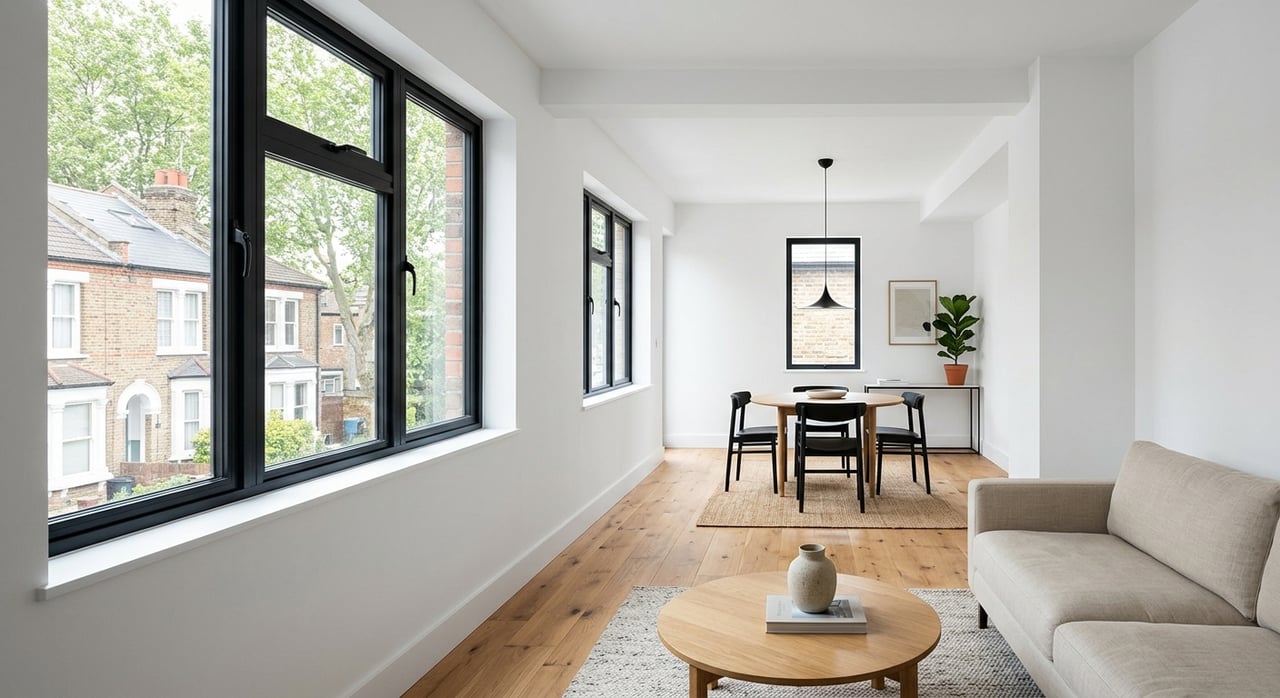
Thinking about selling your Allentown row home? You may only have a narrow footprint to work with, but buyers will notice every inch, from the sidewalk and stoop to the rear parking path. If you want fewer surprises, better photos, and a smoother sale, a smart prep plan matters. Here’s a practical local checklist to help you get your row home ready before it hits the market.
Why row home prep is different
In Allentown, many homes in Wards 1 and 6 are single-family attached homes, largely made up of older rowhomes. City planning materials and the zoning rewrite draft treat rowhouse and twin-house forms as distinct building types, often with front porches or stoops and rear-yard or alley-access parking.
That matters when you sell because buyers are not just judging your kitchen and bedrooms. They are also taking in the front facade, porch or stoop, sidewalk approach, alley condition, and how easy it is to understand the parking setup.
It is also worth noting that the city’s zoning rewrite is still a draft. Existing owners are not required to make changes unless they are doing new construction or significant alterations, so your prep checklist should focus on presentation, maintenance, and sale readiness rather than any assumed retrofit requirement.
Start with Allentown’s pre-sale inspection
Before selling a residential property in Allentown, the city requires a safety and maintenance inspection. If the property passes, the seller receives a Certificate of Compliance before the sale.
If the city finds violations, those items generally need to be corrected unless the buyer agrees to take them on. The city also requires a Buyer’s Information Report within three days after settlement, so it helps to understand the process early instead of treating it like a last-minute task.
If you are planning repairs or improvements that require permits, give yourself extra lead time. Allentown says construction inspections need at least 72 hours’ notice, and a Certificate of Occupancy inspection should be requested three weeks in advance.
Focus on the exterior first
With a row home, the exterior has a big job to do. Your frontage is compact, so even small issues stand out quickly in person and in listing photos.
Allentown’s common-code checklist is a great starting point for your exterior punch list. It specifically calls out items that sellers should review before listing.
Exterior items to check
- Visible street numbers
- Sound siding and paint
- Safe steps, decks, and landings
- Secure handrails
- Guardrails on elevated porches
- Fence condition
- Sidewalk condition
- Gutters and downspouts
- Foundation condition
- Yard debris and general clutter
- GFI-protected exterior outlets
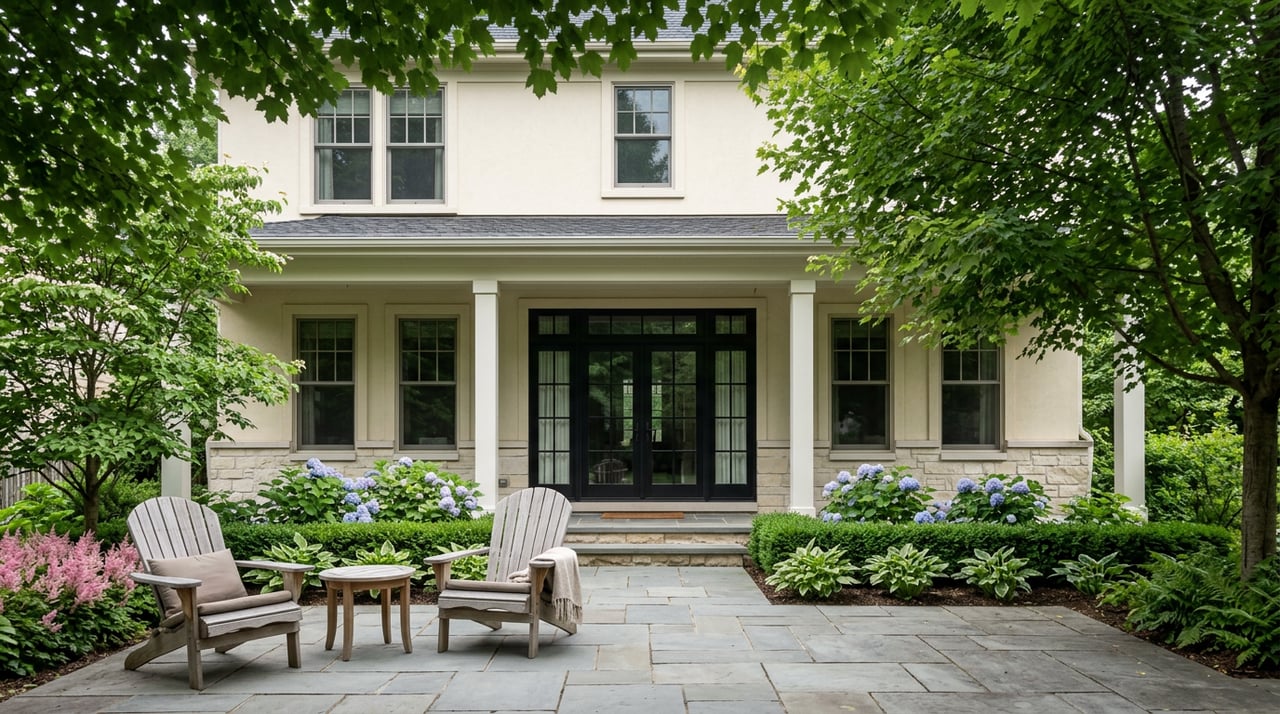
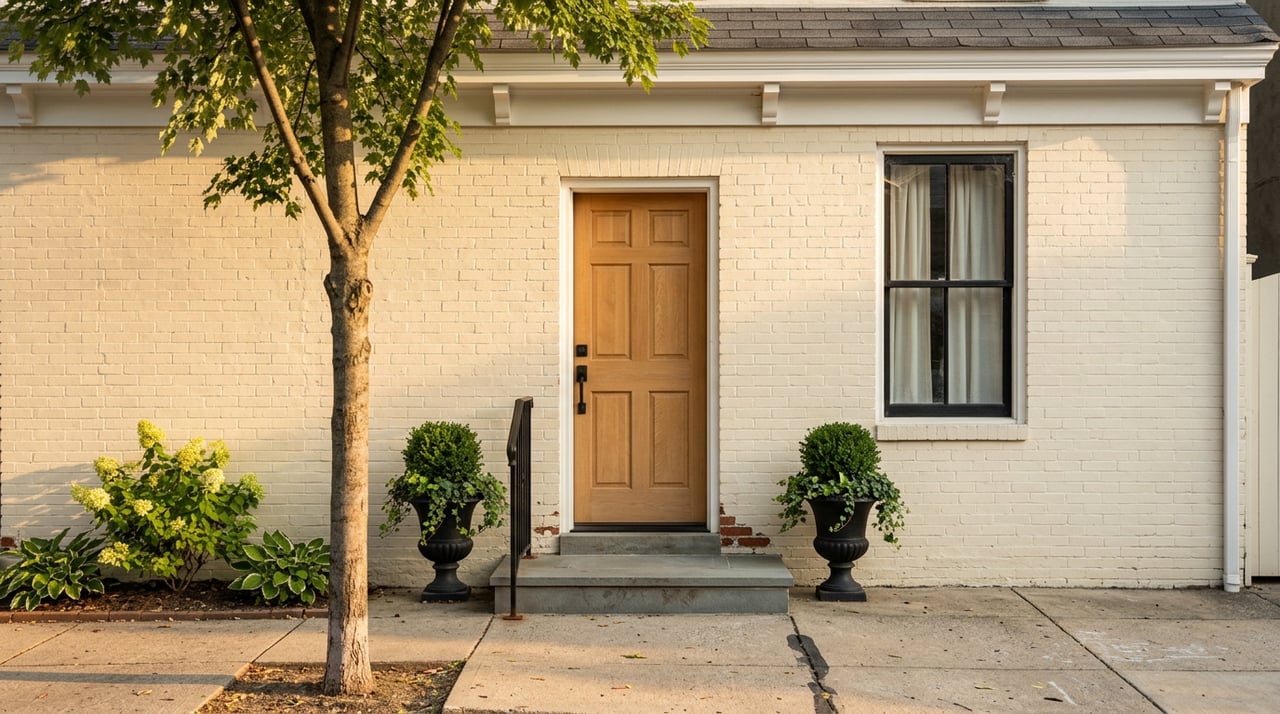
The front door and porch or stoop deserve special attention because they shape the first impression. A clean entry, working light, fresh paint, and tidy edges can make the whole house feel more cared for.
Make the stoop and facade photo-ready
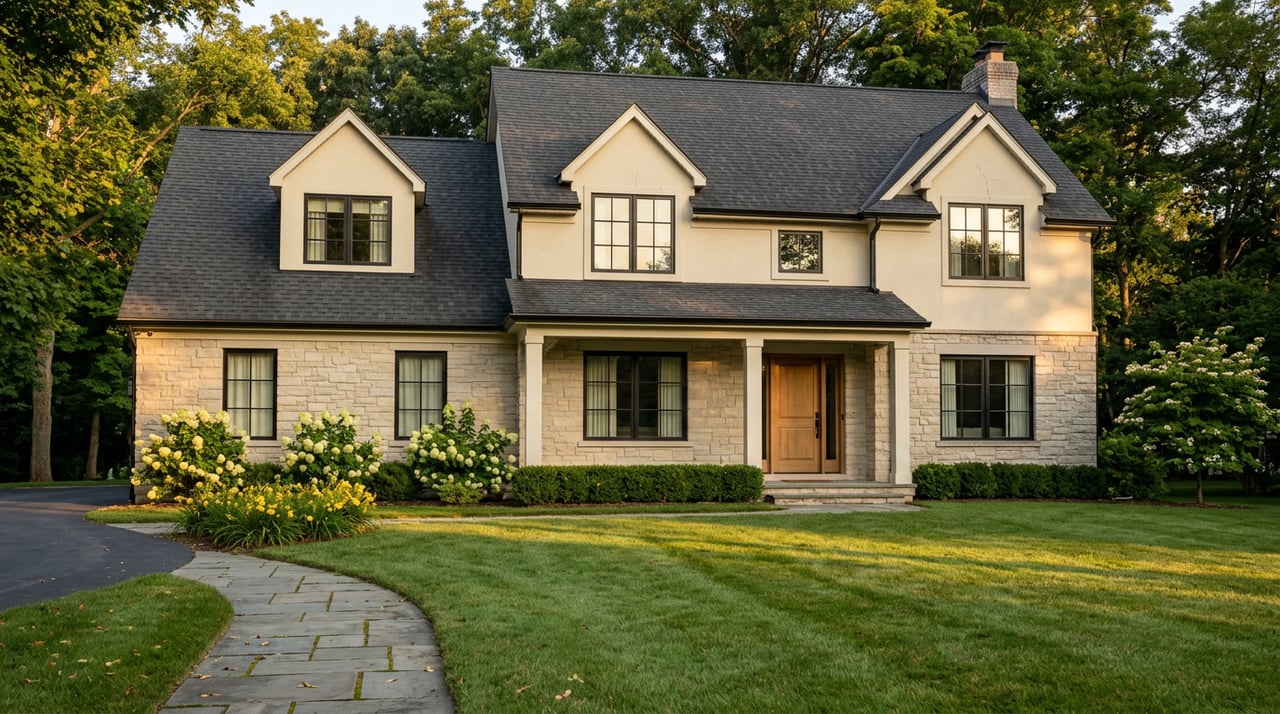
Most buyers start online, and photos often decide whether they schedule a showing. For an Allentown row home, that means your front exterior needs to read clearly and positively in a single glance.
A simple approach usually works best. Make sure the house numbers are easy to spot, the door and trim look neat, and the stoop or porch feels safe and inviting rather than crowded.
Easy curb appeal upgrades
- Clean the front door and consider a fresh coat of paint
- Replace burned-out bulbs at the entry
- Sweep the stoop, porch, and sidewalk
- Remove trash cans, loose items, and extra decor
- Add a small number of simple potted plants if space allows
- Clear leaves and debris from gutters and downspouts
Because attached homes are close together, buyers tend to notice maintenance details fast. Cracked windows, peeling paint, or loose railings can distract from the home’s best features.
Clear common inspection trouble spots inside
The city’s checklist also gives you a strong guide for interior prep. It highlights practical safety and maintenance items that can slow down a sale if ignored.
Inside the home, make sure basic systems and surfaces show as functional, weather-tight, and well maintained. Buyers may forgive dated finishes more easily than signs of leaks, poor ventilation, or deferred upkeep.
Interior items to review
- Smoke detectors
- Working locks
- Weather-tight doors and windows
- Peeling paint
- Leaks
- Heat
- Kitchen ventilation
- Bathroom ventilation
Do not skip the less glamorous spaces. In row homes, basements, half-stories, and stair landings can have an outsized impact because buyers are paying attention to storage, mechanical condition, and usable square footage.
The city specifically asks about basement lighting, leaks, heating, outlet covers, and floor condition. Even if your basement is unfinished, it should look dry, lit, and orderly.
Stage narrow rooms with flow in mind
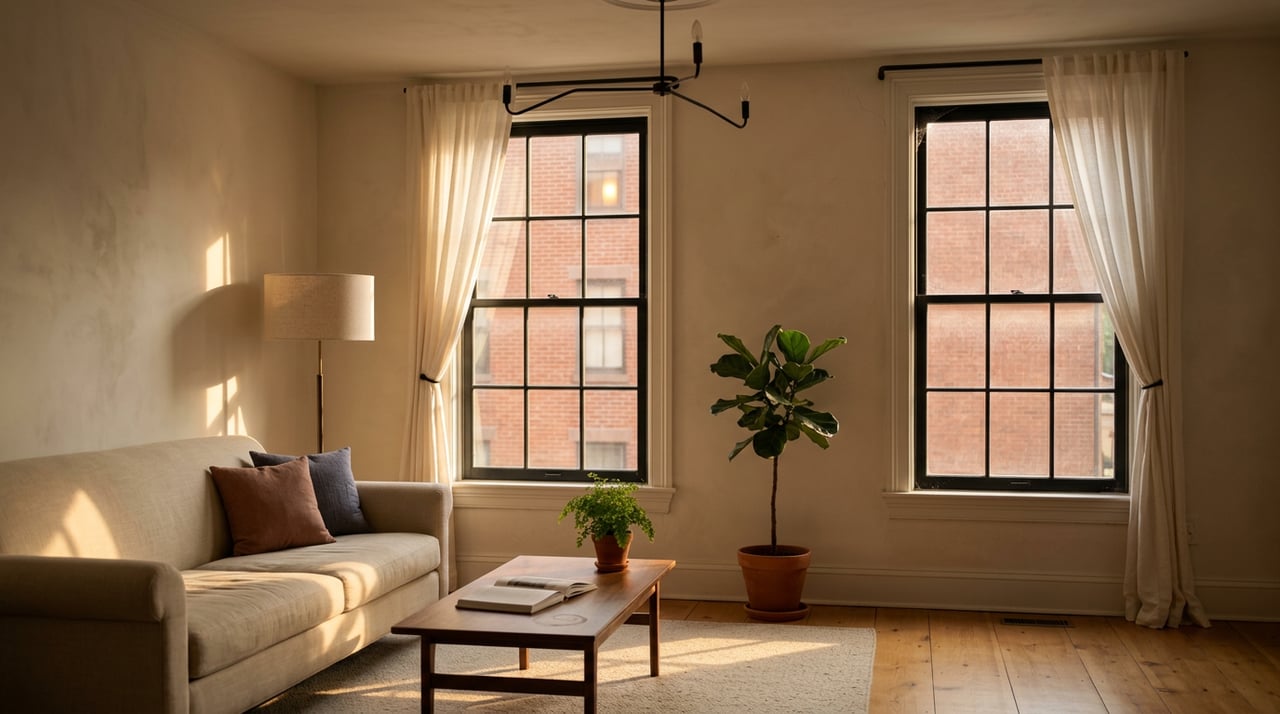
One of the biggest challenges in an Allentown row home is making narrow spaces feel comfortable and easy to move through. The goal is not to make the home look empty. The goal is to make each room feel clear, functional, and appropriately scaled.
Staging guidance shows that buyers respond well when a home is clean, decluttered, repaired, depersonalized, and updated enough for them to picture themselves living there. A recent NAR survey found that 83% of buyers’ agents said staging made it easier for buyers to visualize a property.
For a row home, start with the rooms buyers care about most. The living room, primary bedroom, and dining room should get your first staging pass.
Row home staging tips
- Remove oversized furniture that makes rooms feel tight
- Define each room’s purpose clearly
- Leave open walking paths between doorways and stairs
- Keep shelves and surfaces lightly styled
- Minimize personal items and visual clutter
- Use lighting to brighten darker middle rooms
- Keep window areas clear to maximize natural light
If a room has to do double duty, present it in the clearest way possible. Buyers should not have to guess whether a space is a dining room, office, or sitting area.
Prep for listing photos carefully
Photography is not an afterthought. More than 90% of buyers search online, and 85% say photos are the most important factor in deciding which homes to view.
That matters even more in a compact home, where room size and layout can be misunderstood if photos are poorly planned. Good images should show the home honestly while helping buyers understand the flow.
Photo checklist for an Allentown row home
- Show the route from sidewalk to stoop
- Capture the full front facade
- Photograph main living areas with clear sightlines
- Keep furniture scaled to the room
- Clean fixtures, glass, and reflective surfaces
- Dust after staging, not before
- Remove vehicles from the driveway or parking area before photos
- Keep rear access areas clean and easy to read
Wide angles should be used carefully in smaller rooms. You want the home to look bright and open, but not distorted.
Explain alley and rear parking clearly
Some Allentown attached homes have rear-yard parking with access from an alley or similar rear access path. If your home has this setup, do not assume buyers will understand it from a single sentence in the listing.
Instead, make it easy to follow. Show the rear parking area in photos, keep the access route clean, and be ready to explain how cars enter, park, and exit.
This is especially helpful during showings. When buyers can quickly understand where they would park and how they would get from the car to the home, the property feels more functional.
Organize your paperwork early
Selling prep is not only about cleaning and repairs. It is also about getting your records in order before your home goes live.
Pennsylvania uses a Seller’s Property Disclosure Statement for residential sales. It helps to gather your disclosure paperwork, repair records, warranties, and permit history in advance so you are not scrambling once buyers start asking questions.
If your home was built before 1978, lead-based paint rules also apply. Sellers must disclose known lead hazards, give buyers a 10-day opportunity to test, and use lead-safe work practices if prep work will disturb older paint.
A practical pre-listing checklist
If you want a simple way to stay on track, work through your prep in this order:
- Schedule enough time for the city pre-sale inspection process.
- Walk the exterior using the city’s common-code checklist.
- Repair safety items like railings, steps, locks, and smoke detectors.
- Address leaks, peeling paint, ventilation issues, and weather-tightness.
- Clean and declutter the main living areas, bedrooms, stairways, and basement.
- Simplify furniture layout to improve flow in narrow rooms.
- Tidy the stoop, front facade, rear yard, and alley or parking access.
- Gather disclosures, permits, repair records, and warranties.
- Prep the home for professional photos and showings.
A row home sale often comes down to clarity. When the home looks safe, well kept, and easy to understand, buyers can focus on its character and livability instead of fixating on small distractions.
If you are getting ready to sell an Allentown row home, local preparation can make a meaningful difference in both buyer response and transaction flow. For tailored guidance, marketing support, and a hands-on local strategy, connect with Mark Molchany.
FAQs
What does Allentown’s pre-sale inspection look for on a row home?
- The city’s safety and maintenance inspection can review items such as street numbers, siding, paint, steps, railings, sidewalks, gutters, foundation condition, smoke detectors, locks, leaks, heat, ventilation, and other visible maintenance and safety concerns.
What exterior issues commonly matter when selling an Allentown row home?
- Common exterior trouble spots include missing or hard-to-see house numbers, peeling paint, damaged steps or landings, loose handrails, porch guardrail issues, gutter problems, sidewalk defects, debris, and broken windows or weather-worn doors.
What should you do before selling a pre-1978 home in Allentown?
- You should gather lead-related disclosure information, disclose any known lead hazards, allow the buyer a 10-day opportunity to test, and use lead-safe work practices if your prep work could disturb older paint.
How should you stage narrow rooms in an Allentown row home?
- Keep furniture scaled to the room, create clear walking paths, define each room’s use, reduce clutter, brighten darker areas, and avoid overfilling shelves or surfaces so the layout feels easier to understand.
How should you present alley or rear parking in an Allentown listing?
- Show the rear parking area and access path clearly in photos, keep the route clean for showings, and explain how the setup works so buyers can quickly understand where they would park and how they would enter the home.