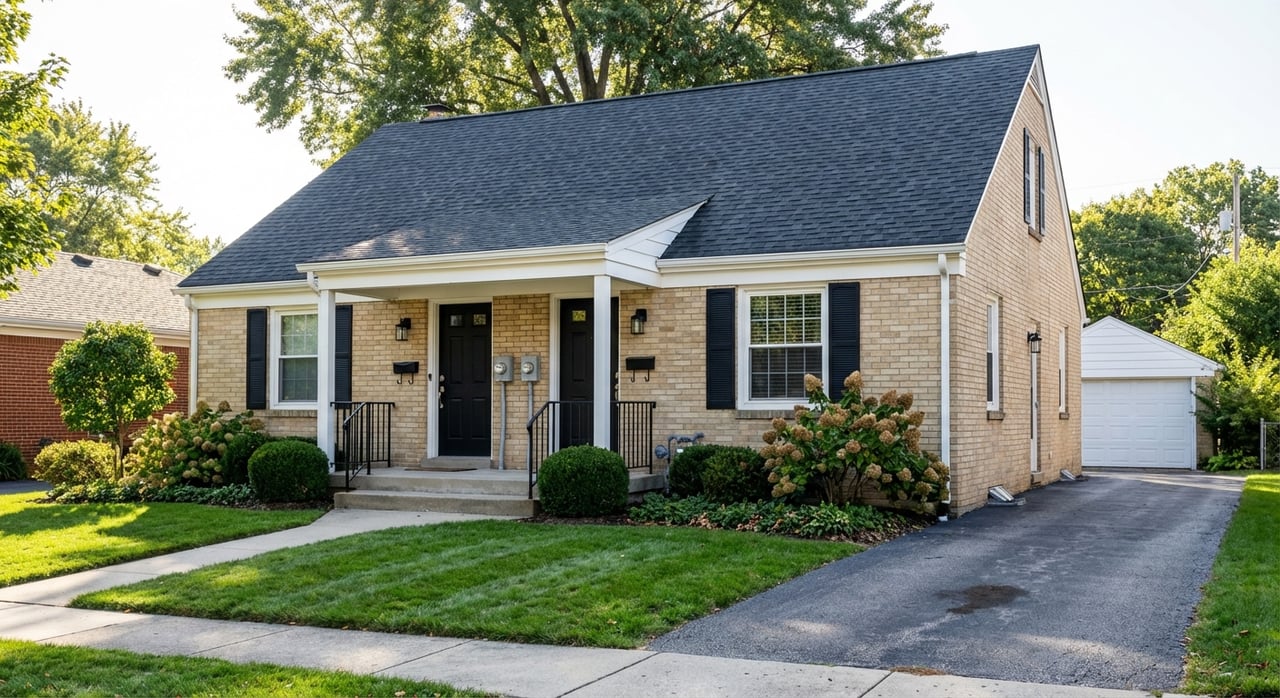
Thinking about buying your first rental in Whitehall Township but not sure where to start? You are not alone. New investors often wonder about rents, taxes, inspections, and the exact steps to get a place lease-ready. In this guide, you will learn the local rules, quick numbers to underwrite with confidence, and a simple due-diligence checklist, plus a sample cash-flow walk‑through. Let’s dive in.
Why Whitehall for a first rental
Whitehall Township sits in the heart of Lehigh County with steady regional demand from nearby Allentown and Bethlehem job centers. The township’s population is about 29,600, and most homes are owner occupied, which helps support stable, well-kept neighborhoods. The median gross rent is about $1,444, and the median value of owner-occupied homes is about $262,100, according to the latest Census snapshot. You can review those figures in the Census QuickFacts for Whitehall Township.
- See local population and housing metrics in the Census QuickFacts for Whitehall Township.
Quick numbers at a glance
- Median gross rent: about $1,444 (Census QuickFacts).
- Median owner-occupied value: about $262,100 (Census QuickFacts).
- 2‑bedroom fair market rent benchmark: about $1,500 to $1,600 in Lehigh County, useful for conservative underwriting. See HUD FMR benchmarks.
What to buy in Whitehall
First-time investors here most often consider:
- Single-family detached homes.
- Twins and townhomes.
- Small multifamily properties, such as duplexes or triplexes, where zoning allows.
- Select condos as rental units.
Whitehall treats rentals consistently for inspections and occupancy permitting. Every new lease requires a township inspection and certificate of occupancy before the tenant moves in. Review permitting and inspections on the Township’s Permits and Codes page.
Neighborhood variations to expect
Whitehall includes several villages and micro-markets such as Fullerton, Cementon, and Egypt. Rents and values can vary by block. Before you underwrite, pull MLS comps and cross-check conservative rent targets using HUD’s county FMR benchmarks. For ZIP-level context, look up Small Area FMRs as an added check.
Who rents in Whitehall
Local demand is driven by proximity to regional employment in healthcare, logistics, manufacturing, and professional services. You will see interest from working professionals and households that commute to nearby job centers. The township also includes a meaningful share of older residents, alongside younger renters. For a full demographic snapshot, consult the Census QuickFacts for Whitehall Township.
Unit sizing tips
- 2‑bedroom units often attract long-term renters who value space and stability in a suburban setting.
- 1‑bedroom units often appeal to single professionals or downsizers.
- Use local comps and the HUD FMR benchmarks to set conservative rent expectations.
Know the rules before you buy
Whitehall has specific rental rules that affect your timeline and budget. Build these into your plan from day one.
- Certificate of Occupancy required: The Township requires an inspection and CO for every sale or lease, which means each new tenancy must pass inspection before move‑in. See the Permits and Codes page.
- Residential rental registration: Landlords must register rentals, attach the registration to leases, and display registration information in the unit. You must also provide tenants with trash and recycling schedules, an emergency contact, and a complaint phone number. Registrations expire each December 31. Review the Township’s Landlord Guide.
- Local responsible agent: If you live more than 10 miles away, you must designate a local responsible agent who can respond to emergencies and accept legal service. Details are in the Landlord Guide.
- Short-term rentals not permitted: The Township prohibits short‑term rentals and separate room‑by‑room rentals without specific approvals. Confirm use and zoning before marketing any short-term rental. See the Landlord Guide.
- Enforcement and penalties: Code enforcement handles inspects and compliance. Ongoing violations can lead to citations and daily fines, so plan for prompt corrections.
Underwriting basics for Whitehall
Create a simple pro forma before you write an offer. Start with conservative rent, then model your expenses and debt service.
- Market rent: Pull MLS comps and cross-check with HUD FMR benchmarks.
- Vacancy: Many investors use 5 to 10 percent.
- Operating expenses: Property taxes, insurance, maintenance, capital reserves, and management. Include any owner-paid utilities.
- Debt service: Interest rate, term, and amortization.
- One-time costs: CO inspection fees, Township rental registration, and any required code repairs.
Property taxes matter
Property taxes are a major input in Whitehall underwriting. Lehigh County publishes millage values for municipalities and school districts. Use the county sheet to estimate taxes for the property’s assessed value. In recent guidance, the combined Whitehall millage has been around 0.0312175. Always confirm the assessed value because it can differ from purchase price. See the county’s millage sheet and use the county Assessment Home to look up parcel data.
Sample cash flow on a 2‑bedroom single‑family
Below is a conservative, illustrative example to show how the numbers can pencil out.
Assumptions (example only):
- Purchase price: $275,000; 25 percent down; loan $206,250 at 6 percent for 30 years.
- 2‑bedroom rent: HUD FMR about $1,507 per month, or $18,084 per year.
- Vacancy/collection: 8 percent, giving effective gross rent about $16,629.
- Taxes: Using county millage example, about $8,585 per year on a $275,000 assumption.
- Insurance: $1,200 per year.
- Maintenance and capex reserve: 10 percent of effective gross rent, about $1,663.
- Property management: 8 percent of effective gross rent, about $1,330.
Results (rounded):
- Effective gross rent: $16,629.
- Operating expenses: about $12,778.
- Net operating income (NOI): about $3,851.
- Debt service: about $14,839 per year.
- Cash flow after debt: about negative $10,988 in this example.
Takeaway: At this price point, a single‑family unit with conservative rent can produce negative cash flow. Investors often improve outcomes by targeting lower purchase prices, buying small multifamily for higher rent per dollar, increasing equity to lower debt service, or making cost‑effective renovations to justify higher rent. You can also model with and without third‑party management to see the impact on cash flow.
Due-diligence checklist before you write an offer
- Confirm zoning and allowed use. Ask the Township for confirmation if anything is unclear. Start on the Permits and Codes page.
- Plan for the Township resale and rental inspection and the required certificate of occupancy prior to a new tenancy. Ask the seller for prior CO reports.
- Verify property taxes and assessed value. Use Lehigh County’s parcel tools and the millage sheet to estimate the tax bill.
- Understand federal lead-paint disclosure rules for pre‑1978 homes. See the EPA lead disclosure guidance.
- Follow Pennsylvania rules for security deposits, interest, and return timelines. Review this summary of PA landlord‑tenant law basics.
- Line up a local responsible agent if you live more than 10 miles away. See the Township’s Landlord Guide.
- Budget for trash and recycling compliance and make sure tenants receive schedules and contact information. See the Landlord Guide.
- Order a professional home inspection and build in time and budget for any code corrections identified by the Township inspection.
How we help first-time investors
Buying a rental in Whitehall is about good numbers and clean compliance. Our team brings local experience with underwriting, Township processes, and leasing so you can move from offer to keys with confidence. We help you identify viable properties, validate rent and tax assumptions, coordinate CO and registration steps, and connect you with trusted local resources. Ready to plan your first Whitehall rental? Reach out to Mark Molchany to get started.
FAQs
Do I need a rental license in Whitehall Township?
- Yes. Whitehall requires residential rental registration and a certificate of occupancy inspection for any new lease, and non‑local owners must designate a responsible agent; see the Township’s Landlord Guide.
Are short-term or room-by-room rentals allowed in Whitehall?
- No. Short‑term rentals and separate room‑by‑room rentals are not permitted without specific zoning approvals; review the Township’s Landlord Guide.
How do I estimate property taxes for a rental in Whitehall?
- Use the Lehigh County millage sheet with the property’s assessed value to estimate annual taxes, and confirm assessed value with the county before closing.
What should I know about Pennsylvania security deposits?
- Pennsylvania law sets rules for deposit amounts, interest handling, and return timelines; review this PA landlord‑tenant law overview and consult an attorney for lease language.
What are the lead-paint disclosure rules for older Whitehall homes?
- For homes built before 1978, federal law requires that you provide the EPA/HUD lead pamphlet and disclose known information about lead-based paint; see the EPA disclosure rule.