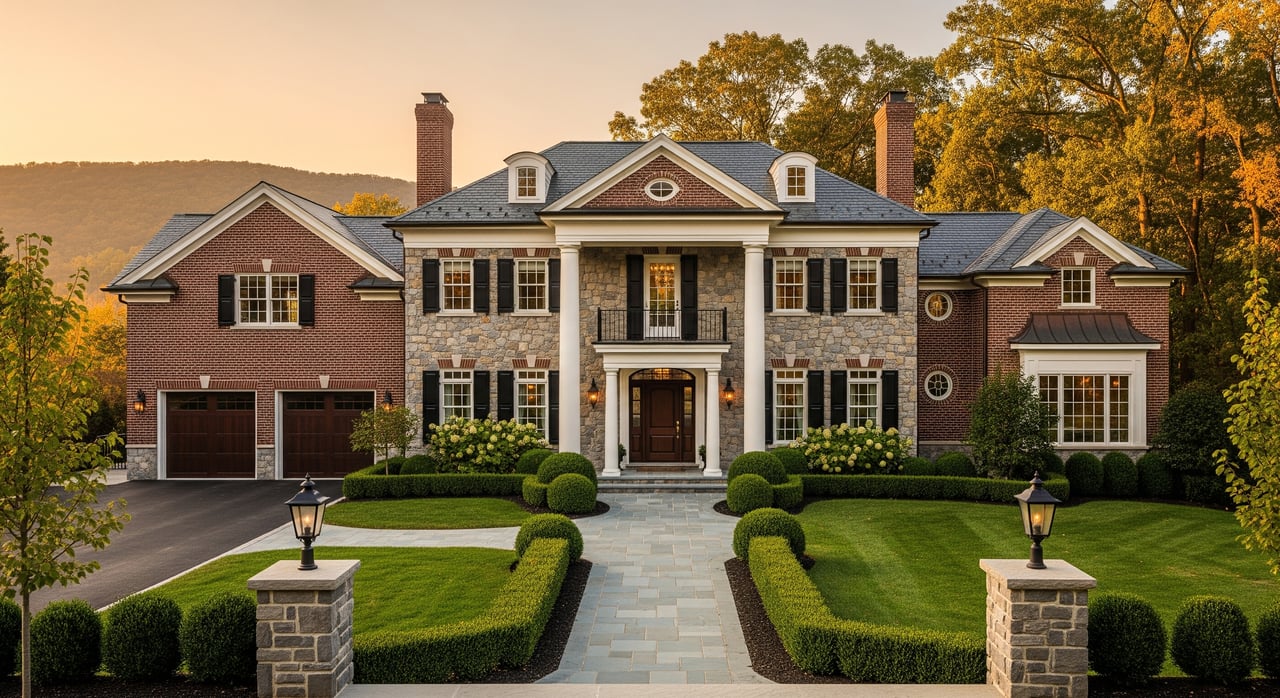
Thinking about whether to keep renting in Whitehall Township or make the leap to homeownership? You’re not alone. With easy commutes, varied housing styles, and steady demand, the choice shows up in both your monthly budget and your long-term plans. In this guide, you’ll learn how to compare real costs, weigh tradeoffs, and decide based on your time horizon and lifestyle. Let’s dive in.
Whitehall at a glance
Whitehall Township sits just north of Allentown in Lehigh County with quick access to Routes 329 and 22 and I-78. Many residents commute to Allentown, Bethlehem, and employers across the Lehigh Valley. You also have LANTA bus service and a wide range of shopping and services near the Lehigh Valley Mall area.
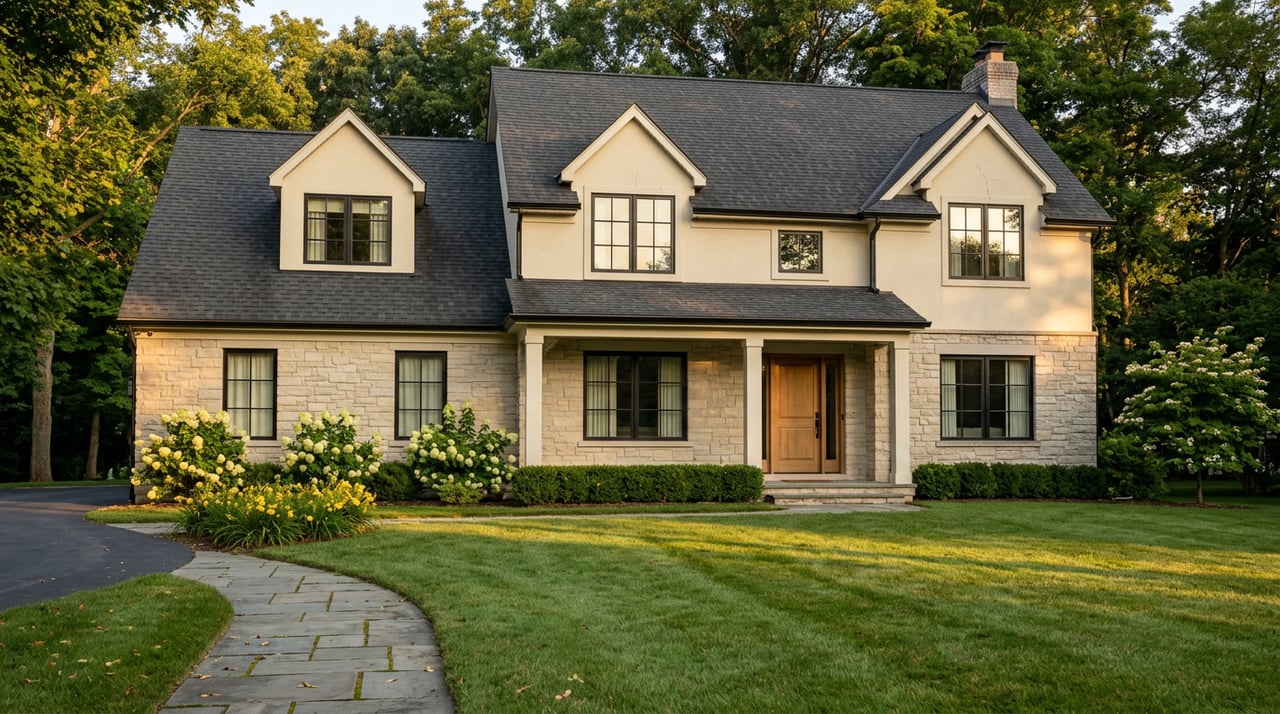
You’ll find a mix of mid-century single-family homes, twin homes, and townhomes, along with some newer subdivisions. Many properties date from the 1950s to the 1970s, with occasional infill and replacement homes. Neighborhoods can differ on price and rent based on proximity to parks, major corridors such as the Tilghman Street area, and everyday amenities.
Whitehall-Coplay School District serves the township. If schools matter for your decision, review neutral, official sources and compare enrollment boundaries and tax information at the district level.
What drives your true cost
If you rent
- Base rent by bedroom count and location.
- Utilities included vs not included. Ask about heat, water, sewer, trash, and who handles lawn or snow.
- Renters insurance. Many landlords require it, and it is usually modest monthly.
- One-time costs. Security deposit, first month’s rent, pet fees, and any parking or garage fees.
- Flexibility. Lower upfront cost, simpler moves, and minimal maintenance responsibility.
If you buy
- Principal and interest. Your mortgage payment depends on price, down payment, interest rate, and 30-year vs 15-year term.
- Property taxes. Whitehall costs include county, township, and school district portions. Taxes are typically billed annually or semiannually.
- Homeowners insurance. Premiums vary by home size, age, and features.
- PMI. Applies if your down payment is under 20 percent, and usually drops off after you reach a set equity level.
- HOA dues. Common for townhomes and condos, with coverage that may include exterior care or amenities.
- Maintenance and repairs. A common rule of thumb is 1 to 3 percent of the home’s value per year, adjusted for age and condition.
- Utilities. Owners generally pay all utilities and services.
- Closing costs. Budget 2 to 5 percent of the purchase price for transfer tax, recording, lender and title fees, and prepaids.
- Opportunity cost. Cash in your down payment and reserves is less liquid than if you were renting.
How to compare monthly costs
Follow a simple, apples-to-apples method. Compare a realistic rent for the home type you want with a full ownership budget for a comparable property.
- Estimate your ownership payment
- Loan amount = purchase price minus down payment.
- Monthly principal and interest = use the standard mortgage formula for a fixed-rate loan.
- Monthly property tax = annual tax divided by 12.
- Monthly insurance = annual premium divided by 12.
- Add monthly HOA if any.
- Add monthly PMI if down payment is under 20 percent.
- Add a monthly maintenance reserve = 1 percent of price divided by 12 as a baseline.
- Compare to rent
- Use several active rental comps of similar size and location.
- Add utilities not included in rent to get your total monthly housing cost.
- Decide with your timeline and cash reserves
- If buying is higher monthly but you plan to stay long-term, the equity you build and stable payment may still make sense.
- If your timeline is short or cash is tight, renting can be the safer move until your savings and credit improve.
Tip: Property taxes, insurance, and HOA fees vary by address. Always pull the actual tax bill and HOA documents for each home you consider.
Example scenarios you can customize
The examples below are for learning only. Replace placeholders with current local numbers before you decide.
Assumptions to update first
- 30-year fixed mortgage rate. Get the current average from a lender quote or a weekly national survey.
- Local property taxes. Use the total tax bill for the specific property or the current millage for county, township, and school district.
- Homeowners insurance. Get a local quote for the home type and size.
- HOA dues. Confirm the monthly amount and what it covers.
- Maintenance reserve. Use 1 to 3 percent of price annually, leaning higher for older systems.
Tier A: Entry-level twin or small single-family
- Price point: typical starter price for a 2 to 3 bedroom home in Whitehall.
- Compare three down payments: 5 percent, 10 percent, 20 percent.
- For each, compute monthly principal and interest, plus taxes, insurance, PMI if applicable, HOA if applicable, and a maintenance reserve.
- Benchmark against current 2 to 3 bedroom rents for similar size and location.
Tier B: Mid-range single-family or townhome
- Price point: a common 3 to 4 bedroom home.
- Show the same three down payment paths and full monthly ownership breakdown.
- Compare to recent rents for larger townhomes or single-family homes.
Tier C: Larger single-family
- Price point: a 4-plus bedroom with more square footage or upgrades.
- Include full monthly ownership budget and note any HOA or extra insurance endorsements.
- Compare to rents for larger homes, which may be less common and vary by neighborhood.
Label each scenario clearly and include your input list, sources, and the date you pulled numbers. Then review results with a local pro before you act.
A simple decision checklist
- Time horizon. Do you expect to stay at least 3 to 7 years? Buying tends to work better beyond 5 years because of transaction costs.
- Stability. Do you want control to remodel, keep pets, and lock in a payment?
- Cash and credit. Can you fund a down payment, closing costs, and still keep an emergency reserve? Is your credit strong enough for favorable rates?
- Monthly comfort. Will your full ownership cost fit within a safe share of your gross income?
- Mobility. Could work, family, or school changes push you to move soon?
- Local outlook. How is inventory and pricing trending in your target neighborhoods? Use recent comparable sales and rental data.
Your time horizon matters
- Under 2 to 3 years. Renting usually makes more sense because it avoids transaction costs and market timing risk.
- Around 3 to 7 years. Either path could work. Focus on your cash position, PMI, and realistic maintenance needs.
- Over 7 years. Buying often supports wealth building through principal paydown and potential appreciation, but still confirm with local data.
Whitehall-specific watchouts
- Property taxes. Taxes combine county, township, and school district portions. Always review the current tax bill and note whether escrowed monthly estimates match the actual bill.
- Homes built 1950s to 1970s. Many local homes are mid-century. Plan for roof, HVAC, windows, and sewer lateral life cycles and budget accordingly.
- Flood and sewer risks. Check official flood maps for the specific address and ask about sewer backup endorsements on insurance.
- HOA communities. Some townhomes and condos include exterior maintenance or amenities. Confirm rules, fees, and what they cover.
- Commute and transit. Proximity to Routes 22 and I-78 and access to LANTA bus lines can affect both your quality of life and resale appeal.
Financial prep before you buy
- Get a true pre-approval. Gather pay stubs, W-2s, bank statements, and ID. Self-employed buyers should include recent tax returns.
- Verify property taxes. Pull the actual bill for the specific address and confirm assessed value versus the expected sale price.
- Price out inspections. Older homes often benefit from a general inspection and, if needed, radon, sewer scope, and pest checks.
- Run a break-even timeline. Add up closing costs, moving, immediate repairs, and compare against rent and expected appreciation to estimate when buying “catches up.”
- Compare lenders. Request written estimates for rate, points, and fees, then compare all-in monthly and cash-to-close.
Smart steps if you rent now
- Get today’s rent comps. Call property managers and landlords to confirm current rents and what utilities are included.
- Ask the right questions. Clarify deposit amounts, pet policy, parking, and renewal terms.
- Protect yourself. Price renters insurance and make sure your lease reflects the requirement and coverage expectations.
- Keep flexibility if needed. If job or family changes are likely, consider shorter lease terms or clauses that allow moves with reasonable notice.
Neighborhood tours that matter
- Visit at different times. Check the street in the morning, evening, and weekend for traffic and noise.
- Map your routine. Time your drive to work, school, grocery stores, medical offices, and parks.
- Observe upkeep. Look at neighboring homes and common areas for general maintenance and pride of ownership.
- Talk to locals. Ask nearby residents and small businesses about the area’s rhythm and any issues to watch.
Local resources to consult
- Lehigh County assessment and tax office for property records and tax totals.
- Whitehall Township for zoning, permits, and municipal services.
- Whitehall-Coplay School District for enrollment zones and school information.
- HUD Fair Market Rents for the Allentown-Bethlehem area to benchmark rents.
- A current mortgage rate survey and your lender’s written estimate for accurate monthly payments.
- FEMA Flood Map Service Center for flood zone checks on specific addresses.
Get a local, tailored breakdown
The best rent versus buy answer is personal to your timeline, budget, and the exact homes you’re considering. If you want a custom side-by-side with today’s rates, real local taxes, and current comps in Whitehall, we can help. Reach out to Mark Molchany for a no-pressure consultation and a tailored plan.
FAQs
What are typical property taxes in Whitehall Township, PA?
- Property taxes combine county, township, and school district portions, and the total is based on a property’s assessed value multiplied by current millage; always review the actual tax bill for the specific address.
How much should I budget for home maintenance in Whitehall?
- A common baseline is 1 to 3 percent of the home’s value per year, with older systems and larger homes requiring more.
If renting costs less per month than buying, why would I buy?
- Buying can offer equity growth through principal paydown, potential tax benefits, payment stability over time, and control over the home, which may outweigh higher upfront and monthly costs if your timeline is long enough.
How long should I plan to stay for buying to make sense?
- Many buyers target at least 3 to 7 years, with stronger cases for buying as you move beyond 5 years because transaction costs are spread over a longer hold.
How much should I put down on a home in Whitehall?
- A 20 percent down payment avoids PMI and lowers your monthly cost, while smaller down payments preserve cash but usually raise payment and add PMI until you reach required equity.