If you are looking for a small multi-unit investment in the Lehigh Valley, Catasauqua deserves a closer look. This compact borough offers a neighborhood-driven rental market, practical commuter appeal, and a local housing shortage backdrop that can support demand. At the same time, small multi-unit investing here is not a plug-and-play strategy because zoning, licensing, inspections, and property type all matter. Let’s dive in.
Why Catasauqua Stands Out
Catasauqua is a small borough with an estimated 6,625 residents packed into just 1.29 square miles. That size shapes the market in a big way because small changes in street appeal, parking, building condition, and exact location can have an outsized effect on tenant interest and long-term performance.
The local housing picture also adds context for investors. The Lehigh Valley Planning Commission has identified roughly a 9,000-unit housing shortage across the region after years of limited construction and continued population growth. In a borough like Catasauqua, that can help support rental demand, especially for well-maintained properties that fit local needs.
Another factor worth watching is the borough’s Iron Works redevelopment area. Preliminary plans call for 45 townhouses, 250 apartment units, commercial space, and trail connectivity along the Lehigh River. For investors, that creates a two-sided story: future appeal from new amenities and walkability, but also future competition from added housing supply.
What Small Multi-Unit Really Means Here
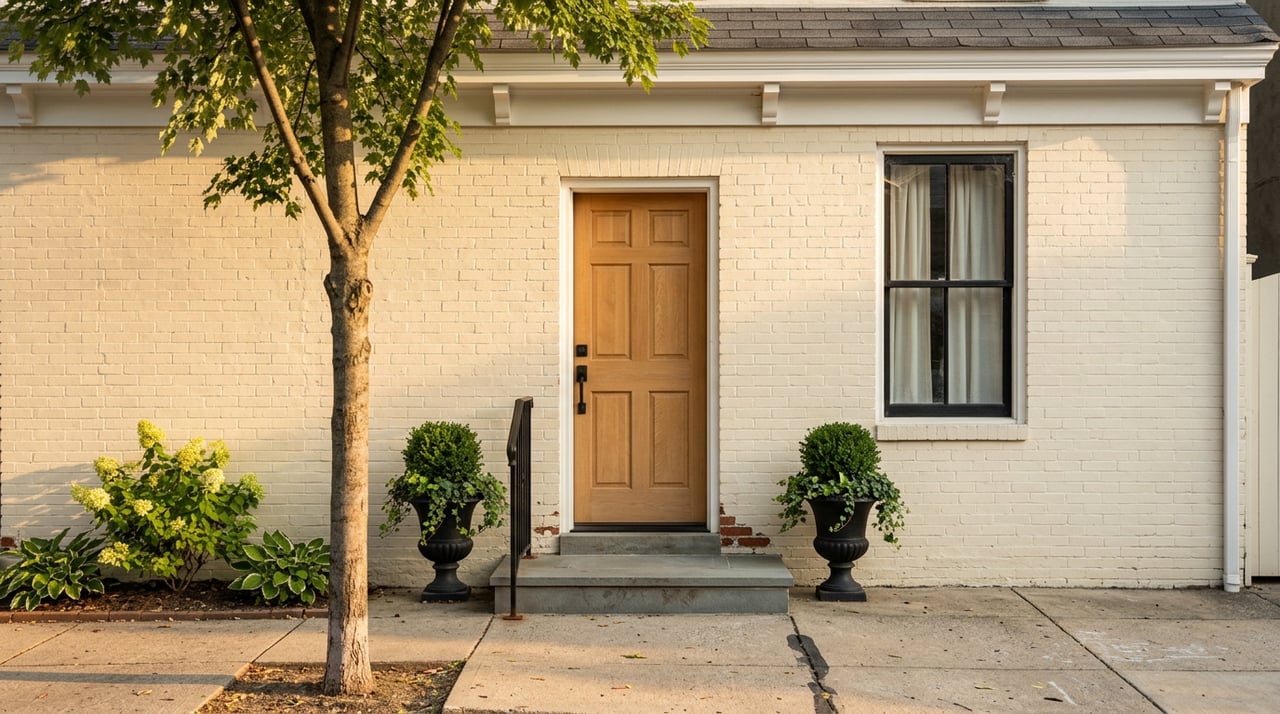
In Catasauqua, the most realistic small multi-unit opportunities are often not large apartment-style assets. Because the borough is dense and compact, the likely inventory mix leans more toward attached buildings, twin-style properties, rowhouse formats, and selective conversion opportunities.
That matters because you cannot assume every building can legally function as a two-, three-, or four-unit rental just because it looks the part. The zoning code draws important distinctions between dwelling types, and those details should shape your search from day one.
For many buyers, this means the best deals are the ones that already match current use, lot requirements, and borough rules. A property that seems cheap but needs zoning relief, a special exception, or major compliance work can become expensive very quickly.
Zoning Can Make or Break a Deal
Catasauqua’s zoning code allows twin dwellings and townhouse or rowhouse forms in R-2 and R-3 districts. Apartments, however, are allowed only by special exception in those districts, which means a buyer should treat apartment-style opportunities with added caution.
Conversions deserve even closer review. The borough notes that apartment conversions by special exception are limited to buildings that existed with at least 3,000 square feet of heated living area at the time the ordinance was adopted, and the conversion cannot include new expansion except for emergency or accessibility-related additions.
Lot size and unit-density rules also matter. In R-2, apartments require at least 20,000 square feet of lot area before development and 2,400 square feet per unit. In R-3, apartments also require 2,400 square feet per unit, with a reduced average available only for certain age-restricted apartments.
What to verify before you buy
Before you move forward on any small multi-unit property in Catasauqua, confirm:
- The zoning district
- The current legal use of the property
- Whether the existing units are permitted
- Whether any past conversion was properly approved
- Lot size and dimensional compliance
- Permit and inspection history
- Whether parking and access match tenant expectations
These checks may sound basic, but in a small borough they can be the difference between a stable asset and a difficult one.
Tenant Demand Is Likely Practical, Not Flashy
Catasauqua’s renter appeal looks more practical than luxury-driven. The borough’s vision materials highlight walkability, the canal towpath, riverfront setting, mixed-use redevelopment ideas, and access to the broader trail network. Those features can make the area more attractive to renters who value convenience and recreation.
At the same time, the borough’s average commute time of 23.6 minutes suggests a commuter-oriented renter base. In plain terms, that often means tenants may care more about easy access, dependable parking, clean units, and manageable layouts than high-end amenity packages.
For investors, that can be useful. You may not need a luxury renovation strategy to compete well here. In many cases, strong maintenance, functional improvements, and a clean, well-run property may be more important than premium finishes.
Local Rental Rules Add Ongoing Costs
One of the biggest mistakes small investors make is focusing only on purchase price and rent potential. In Catasauqua, rental compliance is an ongoing operating reality, not a one-time task.
The borough requires landlords to keep annual licensing current, schedule inspections every two years, report tenant changes within 10 days, and designate a nearby manager if the owner lives more than five miles away. That makes local support especially valuable if you are not based close to the property.
The borough’s 2026 rental application also lists a $75 annual fee per unit, which includes the required two-year inspection. It also includes a $50 late fee, a $75 no-show fee, and a $75 reinspection fee if a unit fails the first inspection.
Why this matters for investors
These line items may not look large on their own, but they belong in your underwriting. They affect your true operating cost, and they can add friction if you are buying a property with deferred maintenance or if you do not have a clear system for compliance.
This is one reason disciplined buyers often outperform in small-borough investing. The property itself matters, but the process behind the property matters just as much.
Underwrite Conservatively From the Start
A smart pro forma for a Catasauqua multi-unit should go beyond taxes, insurance, and mortgage payment. The IRS lists common rental expense categories such as advertising, cleaning and maintenance, insurance, management fees, mortgage interest, repairs, taxes, utilities, legal and professional fees, and depreciation. That gives you a useful base checklist.
From there, add borough-specific costs and realistic capital expenses. In an older small multi-unit property, you may need to account for turnover work, systems updates, exterior repairs, and inspection-related fixes that do not always show up in a seller’s summary.
If you are using lender-style rent analysis, Fannie Mae says lenders generally use 75% of gross monthly rent when using a lease or market rent figure, with the remaining 25% set aside for vacancy and ongoing maintenance. That can be a helpful starting point when you want to stress-test a deal before making an offer.
A simple underwriting mindset
When you analyze a small multi-unit in Catasauqua, ask:
- Does the current rent make sense for the building’s condition and layout?
- Does the deal still work after a 25% rent haircut for vacancy and maintenance?
- Have you included borough fees and inspection-related costs?
- Is there enough margin for repairs and future capital work?
- Does the building’s legal status match how it is being marketed?
If the numbers only work under perfect conditions, the deal may not be strong enough.
Financing Takes More Liquidity Than Many Buyers Expect
Many first-time investors focus heavily on down payment and monthly payment. But reserve requirements are another key part of the picture, especially for two- to four-unit properties.
Fannie Mae says Desktop Underwriter generally requires six months of reserves for a two- to four-unit principal residence transaction and for an investment property transaction, with added reserve requirements possible if you own other financed properties. Fannie also defines reserves as liquid assets available after closing, so they are not the same as your down payment funds.
That distinction is important. You may qualify on paper for the purchase, but still need a stronger cash position to satisfy reserve expectations and protect yourself after closing.
Fannie Mae also states that gift funds are not allowed on an investment property. If you are buying purely as an investor, real liquidity matters.
What Strong Deals Usually Have in Common
The strongest small multi-unit opportunities in Catasauqua are usually not the flashiest ones. They are the properties that clear zoning review, fit the borough’s rules, show durable rent demand, and still make sense after conservative underwriting.
In many cases, a dependable building with clear legal use and manageable upkeep can outperform a more speculative property with a complicated conversion story. In a compact borough, simplicity often has real value.
That is also why local guidance can make such a difference. When you understand the block, the housing type, the borough process, and the likely renter profile, you can make faster and more confident decisions.
If you are thinking about buying, selling, or managing a small multi-unit property in Catasauqua, working with a broker who knows Lehigh Valley inventory patterns and investor concerns can help you avoid costly surprises. For tailored guidance on multi-family opportunities, local market context, and property management support, connect with Mark Molchany.
FAQs
What types of small multi-unit properties are common in Catasauqua?
- In Catasauqua, small multi-unit opportunities are more likely to include compact attached buildings, twins, rowhouse-style properties, or conversion candidates rather than large suburban apartment buildings.
What zoning issue should investors check first in Catasauqua?
- Investors should first confirm the property’s zoning district and legal use, because apartments in R-2 and R-3 require special exception approval and conversions face added restrictions.
What local rental costs should landlords budget for in Catasauqua?
- Landlords should budget for the borough’s $75 annual per-unit fee, plus possible late, no-show, or reinspection fees tied to the rental licensing and inspection process.
What does tenant demand look like for rentals in Catasauqua?
- Tenant demand in Catasauqua appears to be driven by practical needs such as convenience, walkability, commuter access, parking, and well-maintained units rather than luxury amenities.
How should you analyze rental income on a small multi-unit deal?
- A conservative approach is to start with gross rent and apply a 25% reduction for vacancy and ongoing maintenance, which aligns with Fannie Mae’s general lender framework for rental income analysis.
Do you need cash reserves to buy a small multi-unit property in Catasauqua?
- Yes, reserve funds can be a major part of financing, and Fannie Mae says two- to four-unit principal residence and investment purchases generally require six months of reserves, separate from the down payment.